Deferred No More: Strategic Approaches to Reversing the Parks Infrastructure Maintenance Backlog
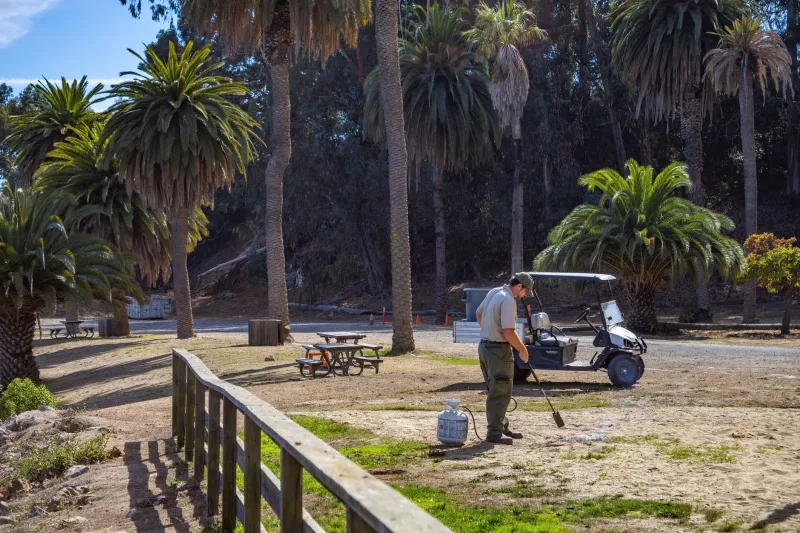
The cracked walking path. The aging restroom facility that never quite got replaced. The playground equipment flagged in last year's inspection report, still waiting on parts. For parks and recreation directors across the country, these deferred items accumulate quietly—each one individually manageable, collectively catastrophic.
Maintenance debt is not a new phenomenon, but its scale has grown considerably. A 2021 report from the National Recreation and Park Association estimated that US parks systems collectively carry billions of dollars in unmet infrastructure needs. The causes are structural, the consequences measurable, and the solutions—while not simple—are well within reach for departments willing to approach the problem strategically.
Why Maintenance Loses the Budget Argument
To understand the backlog, you first have to understand the budget dynamic that creates it. Routine and preventive maintenance rarely generates political enthusiasm. New facilities attract ribbon cuttings; repaired drainage systems do not. In annual budget cycles where departments must compete for discretionary funding, maintenance requests frequently yield ground to programming initiatives, capital expansions, or higher-profile community priorities.
This pattern is reinforced by how maintenance costs are categorized. In many municipal accounting frameworks, routine upkeep is treated as an operational expense rather than a capital investment—meaning it competes with salaries, utilities, and supplies rather than with construction projects that carry dedicated funding streams. The result is a systematic underfunding of the very work that preserves the value of existing assets.
Additionally, the consequences of deferral are rarely immediate. A roof that needs resealing this year may not leak for another two or three seasons. That delay can appear, on paper, to be a reasonable risk—until the water damage requires a far more expensive structural repair. Deferred maintenance compounds. What would have cost $15,000 in 2021 may cost $60,000 by 2025, a reality that is difficult to communicate in a line-item budget presentation.
Conducting a Condition Assessment That Actually Works
The foundation of any maintenance recovery effort is a credible, systematic facility condition assessment. Departments that have successfully reversed backlogs consistently point to documentation as the turning point—not because inspections themselves fix anything, but because they transform vague concerns into quantifiable data that budget authorities can act on.
An effective condition assessment assigns each asset a standardized rating—commonly a numerical scale from one to five—reflecting current state and estimated remaining service life. Critically, it also attaches projected cost figures to deferred items, distinguishing between routine maintenance, major repairs, and full replacements. This structure allows administrators to sort needs by urgency, cost, and consequence of further delay.
For smaller departments without dedicated facilities staff, partnering with a municipal engineering office or contracting a third-party assessment firm can provide the technical credibility that internal evaluations sometimes lack. When a report carries an engineer's seal, it tends to carry more weight in council chambers.
Digital asset management platforms—ranging from enterprise-level solutions to more accessible tools designed for mid-sized municipalities—now make it significantly easier to maintain running condition records, attach photographic documentation, and generate reports that translate raw data into funding narratives.
Prioritization Frameworks: Triage for Infrastructure
Not all deferred maintenance is equal, and attempting to address everything simultaneously is neither financially feasible nor strategically sound. Departments benefit from adopting a tiered prioritization model that classifies needs along two axes: risk and consequence.
Tier One: Safety-Critical and Compliance Items. Any deficiency that creates an immediate liability exposure—structural failures, ADA compliance gaps, electrical hazards, or equipment presenting injury risk—belongs in the first tier. These items should be addressed before the budget year closes, even if it requires reallocation from elsewhere. The cost of a single liability claim routinely exceeds the cost of the repair that would have prevented it.
Tier Two: Prevent-Further-Damage Repairs. Items in this category are not immediately dangerous but will become significantly more expensive if left unaddressed. Roof issues, drainage problems, and deteriorating surface coatings fall here. Addressing them promptly preserves asset value and avoids the compounding cost dynamic described earlier.
Tier Three: Functional and Aesthetic Improvements. Repairs that affect user experience but carry no immediate safety or structural consequence can be scheduled within a longer planning horizon. These are legitimate needs, but they should not compete with Tier One and Two items for constrained resources.
This framework gives directors a defensible rationale for sequencing work—one that can be presented clearly to city managers, elected officials, and community stakeholders.
Making the Capital Case: From Condition Data to Funding Requests
Documentation and prioritization are only valuable if they translate into approved funding. Parks directors who have successfully secured capital improvement allocations share a common approach: they speak the language of asset preservation rather than operational need.
Framing maintenance investment as protection of existing capital assets—rather than as an ongoing expense—tends to resonate more effectively with finance committees. A restroom facility that cost $400,000 to construct represents a significant municipal investment. Allowing it to deteriorate through deferred maintenance is, in effect, allowing that investment to depreciate unnecessarily. Presenting the cost of inaction alongside the cost of repair reframes the conversation.
Some departments have had success with lifecycle cost analyses that project total ownership costs under different maintenance scenarios. Demonstrating that a $25,000 preventive investment today avoids a $90,000 replacement in seven years is a straightforward argument—but it requires the data infrastructure to support it.
Grant programs also deserve attention in this context. Federal funding through the Land and Water Conservation Fund, as well as state-level recreation infrastructure grants, can offset capital improvement costs when applications are supported by thorough condition documentation. Departments that maintain rigorous asset records are consistently better positioned to compete for these resources.
Phasing Recovery: Realistic Timelines for Systemic Change
Reversing a significant maintenance backlog rarely happens in a single budget cycle. Departments that approach recovery realistically tend to develop multi-year capital improvement plans that phase work according to priority tier, funding availability, and seasonal construction windows.
A three-to-five-year phased plan accomplishes several things simultaneously. It provides a structured commitment that budget authorities can evaluate and approve incrementally. It allows departments to sequence work logically—completing foundational repairs before surface improvements, for example. And it creates accountability benchmarks that demonstrate progress over time, reinforcing the credibility of future funding requests.
Parks departments in mid-sized cities including those in the Midwest and Mountain West have demonstrated that systematic, multi-year approaches—even when funded modestly in early phases—can meaningfully reduce backlog totals within a council term. Progress, when documented and communicated, tends to generate continued political support.
The Cost of Continued Delay
Deferred maintenance is not a passive condition. Every year a repair is postponed, the underlying asset continues to deteriorate, liability exposure continues to accumulate, and the eventual cost of correction continues to rise. For parks and recreation departments already operating under budget pressure, this compounding dynamic can feel like a trap.
The path forward requires more than good intentions. It requires systematic documentation, defensible prioritization, and the ability to translate infrastructure data into compelling funding narratives. Departments that invest in these capacities—even incrementally—are consistently better positioned to protect the facilities their communities depend on and to make the case for the resources required to do so.
The backlog did not appear overnight. Neither will the solution. But for recreation professionals willing to approach the problem with rigor and persistence, the trajectory can change.